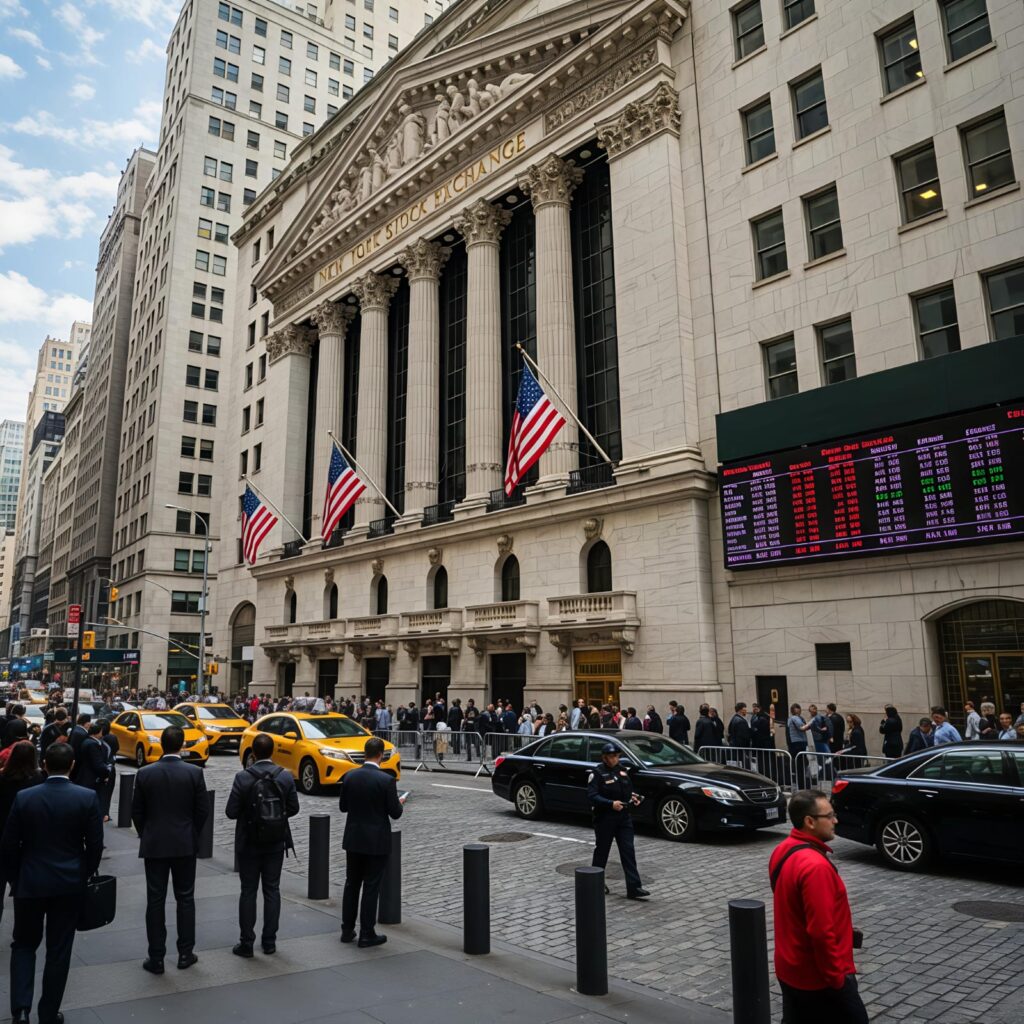
Standing at the corner of Wall Street and Broad Street, the NYSE (New York Stock Exchange) remains the beating heart of global capitalism. Furthermore, it serves as more than just a marketplace where numbers flash on a screen. Consequently, understanding the NYSE (New York Stock Exchange) is essential for anyone who wants to grasp how the modern world builds and moves wealth. Because the NYSE (New York Stock Exchange) facilitates trillions of dollars in trades every year, its influence stretches from local retirement accounts to international government policies.
The Epic Story Behind the NYSE (New York Stock Exchange)
In 1792, a group of twenty-four stockbrokers signed the Buttonwood Agreement under a simple tree in Lower Manhattan. Since that humble beginning, the NYSE (New York Stock Exchange) has evolved into a financial superpower. Although many people think of it as a modern digital entity, the NYSE (New York Stock Exchange) carries a rich heritage of human interaction.
From a Buttonwood Tree to the Big Board
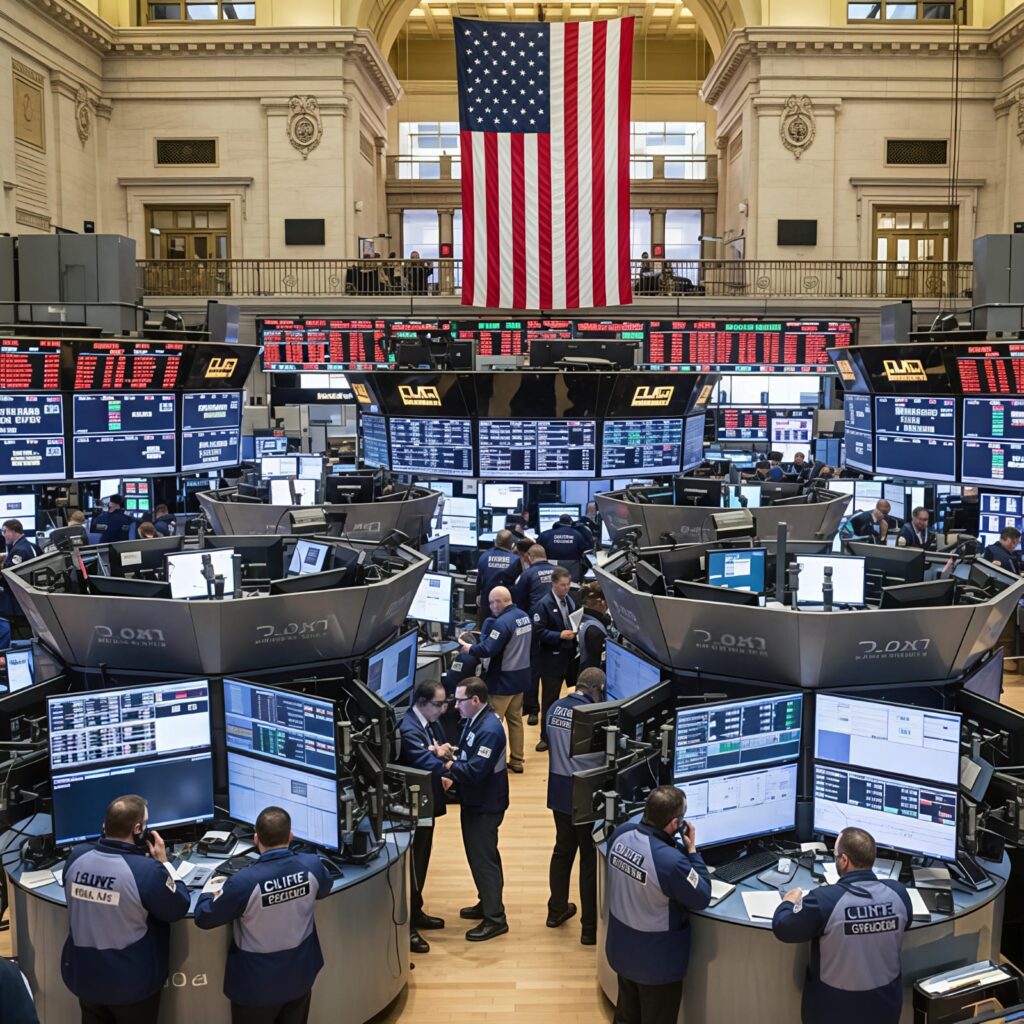
In the early days, the exchange handled only a few government bonds and bank stocks. However, as the American industrial revolution gained steam, the NYSE (New York Stock Exchange) became the primary engine for funding railroads and factories. Subsequently, the iconic 11 Wall Street building opened in 1903, featuring a massive trading floor that became a symbol of American prosperity.
Modern Evolution and Technology
By the time we reached the 21st century, the NYSE (New York Stock Exchange) had to adapt to a digital world. While the physical floor remains active, most transactions now pass through high-speed data centers. Interestingly, the NYSE (New York Stock Exchange) merged with Euronext in 2007 and was later acquired by the Intercontinental Exchange (ICE). This transition ensured that the NYSE (New York Stock Exchange) stayed competitive against newer, fully electronic rivals.
Why the NYSE (New York Stock Exchange) is Unique in 2026
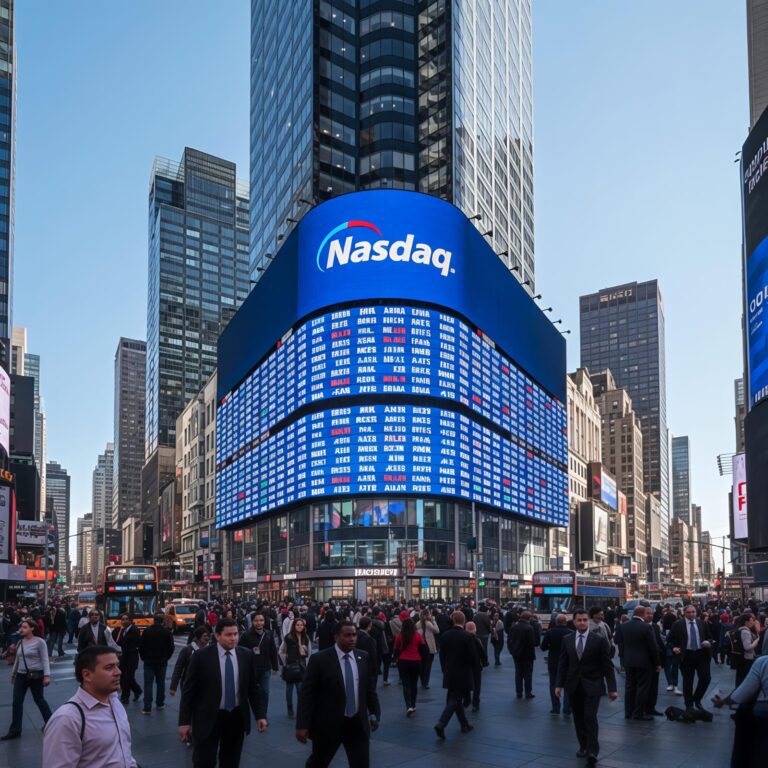
When you compare various exchanges, the NYSE (New York Stock Exchange) stands out because of its “hybrid” model. In contrast to purely electronic markets like the Nasdaq, the NYSE (New York Stock Exchange) uses both human judgment and powerful algorithms to manage trades. This combination provides a layer of stability that purely robotic systems often lack.
The Role of Designated Market Makers (DMMs)
On the floor of the NYSE (New York Stock Exchange), professionals known as Designated Market Makers (DMMs) maintain order. These experts have a legal obligation to ensure a fair and orderly market for specific stocks. Furthermore, they step in to provide liquidity during times of extreme market volatility. Because they use their own capital to buy or sell when no one else will, the NYSE (New York Stock Exchange) often experiences smoother price movements than other platforms.
Lower Volatility for Blue-Chip Stocks
Most of the world’s most stable companies, often called “blue-chip” stocks, choose to list on the NYSE (New York Stock Exchange). Consequently, the exchange is known for its prestige and strict listing requirements. Investors often view a listing on the NYSE (New York Stock Exchange) as a mark of a company’s maturity and financial health.
How to Trade on the NYSE (New York Stock Exchange) Like a Pro
If you want to start investing in the NYSE (New York Stock Exchange), you do not need to wear a suit and run around a trading floor. Today, anyone with a smartphone and a few dollars can participate. However, success requires a strategy and an understanding of how the NYSE (New York Stock Exchange) operates daily.
Step-by-Step Guide for Beginners
Select a Brokerage: Choose a platform that offers direct access to the NYSE (New York Stock Exchange).
Fund Your Account: Transfer capital from your bank to your trading account.
Research Listed Companies: Look for tickers that are officially listed on the NYSE (New York Stock Exchange).
Place Your Order: Use “Limit Orders” to control the price you pay, rather than “Market Orders” which execute at whatever price is available.
Monitor Your Portfolio: Keep an eye on news that affects the broader NYSE (New York Stock Exchange) environment.
Understanding Trading Hours
The NYSE (New York Stock Exchange) operates on a strict schedule. While electronic trading happens around the clock in some forms, the “core” session is where the most liquidity exists.
Pre-Market Trading: 4:00 AM – 9:30 AM ET.
Core Trading Session: 9:30 AM – 4:00 PM ET.
After-Hours Trading: 4:00 PM – 8:00 PM ET.
Pro Tip: Trading during the opening and closing auctions of the NYSE (New York Stock Exchange) can be volatile. Many professional traders wait until the initial “morning rush” settles before placing significant bets.
2026 Holiday Calendar for the NYSE (New York Stock Exchange)
If you plan to trade, you must know when the NYSE (New York Stock Exchange) is closed. In 2026, the exchange observes several federal holidays. Consequently, no trading occurs on these dates, and any orders placed will wait until the next business day.
| Holiday | Date in 2026 | Market Status |
| New Year’s Day | January 1 | Closed |
| Martin Luther King, Jr. Day | January 19 | Closed |
| Washington’s Birthday | February 161 | Closed2 |
| Good Friday3 | April 34 | Closed5 |
| Memorial Day6 | May 257 | Closed8 |
| Juneteenth9 | June 1910 | Closed11 |
| Independence Day (Observed)12 | July 313 | Closed14 |
| Labor Day15 | September 716 | Closed17 |
| Thanksgiving Day18 | November 2619 | Closed20 |
| Christmas Day | December 25 | Closed |
Furthermore, the NYSE (New York Stock Exchange) typically closes early at 1:00 PM ET on the day after Thanksgiving and on Christmas Eve. Always check your broker’s notifications for these shortened sessions.
NYSE (New York Stock Exchange) vs. Nasdaq: The Big Debate
Investors frequently ask which exchange is better. While both are massive, the NYSE (New York Stock Exchange) and the Nasdaq serve different purposes. In contrast to the NYSE (New York Stock Exchange), the Nasdaq is a “dealer market” where participants trade through multiple market makers electronically.
Key Differences at a Glance
Company Profiles: The NYSE (New York Stock Exchange) is home to established giants like Coca-Cola and Walmart. In contrast, the Nasdaq attracts high-growth tech companies like Apple and Amazon.
Listing Fees: It generally costs more for a company to list on the NYSE (New York Stock Exchange). This higher barrier to entry adds to the exchange’s prestige.
Trading Format: The NYSE (New York Stock Exchange) uses an auction format led by DMMs. Conversely, the Nasdaq relies on a network of dealers competing for your orders.
Advanced Insights: The Future of the NYSE (New York Stock Exchange)
As we look toward the rest of 2026, the NYSE (New York Stock Exchange) is pushing for even greater accessibility. Furthermore, the exchange recently filed for SEC approval to extend trading hours for certain securities to nearly 22 hours a day. Consequently, this shift aims to cater to global investors in different time zones who want to trade American stocks without staying up all night.
The Role of AI in NYSE (New York Stock Exchange) Trading
Artificial Intelligence is no longer a futuristic concept at the NYSE (New York Stock Exchange). Instead, it is a daily tool. DMMs now use AI to predict price movements and manage risk more effectively. While robots handle the bulk of the volume, the NYSE (New York Stock Exchange) still believes that human intervention is necessary during “black swan” events or extreme market crashes.
Sustainability and the NYSE (New York Stock Exchange)
Many companies listed on the NYSE (New York Stock Exchange) are now focusing on ESG (Environmental, Social, and Governance) metrics. Because institutional investors demand transparency, the NYSE (New York Stock Exchange) has implemented new reporting standards. Consequently, if you are an investor who cares about ethics, the NYSE (New York Stock Exchange) provides a wealth of data to help you choose sustainable companies.
Practical Strategies for NYSE (New York Stock Exchange) Investors
To succeed on the NYSE (New York Stock Exchange), you must go beyond basic stock picking. Instead, you should focus on risk management and market sentiment.
Diversification is Key
Do not put all your money into a single company on the NYSE (New York Stock Exchange). Furthermore, consider investing in ETFs (Exchange-Traded Funds) that track the NYSE (New York Stock Exchange) Composite Index. This index includes all common stocks listed on the exchange, providing instant diversification across various sectors.
Watch the “Bell” Signals
The opening and closing bells of the NYSE (New York Stock Exchange) are more than just ceremony. Historically, the final 30 minutes of trading (the “closing cross”) see the highest volume of the day. Because large institutional funds rebalance their portfolios at this time, price movements can be intense. Consequently, many day traders look for opportunities during these specific windows.
The Economics of a NYSE (New York Stock Exchange) Listing
Why do billion-dollar corporations fight for a spot on the NYSE (New York Stock Exchange)? The answer lies in the deep pools of capital and the brand recognition that comes with a “Big Board” ticker. However, maintaining a listing on the NYSE (New York Stock Exchange) is not cheap.
Financial Prerequisites for Entry
Before a company can join the NYSE (New York Stock Exchange), it must prove its financial health. For instance, companies often need to show $10 million in pre-tax earnings over the last three years. Alternatively, they might qualify based on a global market capitalization of $200 million. Consequently, these high bars ensure that only the most robust businesses represent the NYSE (New York Stock Exchange) brand.
Ongoing Reporting Requirements
Once listed, companies must adhere to strict transparency rules set by the NYSE (New York Stock Exchange). They are required to hold annual meetings and maintain an independent board of directors. Furthermore, they must release quarterly financial statements that undergo rigorous auditing. Because the NYSE (New York Stock Exchange) prioritizes investor trust, any company failing these standards faces potential delisting.
Navigating Volatility on the NYSE (New York Stock Exchange)
Market crashes are a part of history, and the NYSE (New York Stock Exchange) has survived several. From the Great Depression to the 2008 financial crisis, the exchange has developed “circuit breakers” to prevent panic selling. Consequently, if the S&P 500—which is largely composed of NYSE (New York Stock Exchange) stocks—drops by 7% in a single day, trading pauses for 15 minutes.
How Circuit Breakers Protect Your Money
These pauses allow the NYSE (New York Stock Exchange) to “reset.” Traders can catch their breath and analyze news without the pressure of a free-falling ticker. Furthermore, it prevents high-frequency trading algorithms from spiraling out of control. Because the NYSE (New York Stock Exchange) values stability, these mechanisms are vital for long-term confidence in the system.
The Psychology of Trading
Successful investors on the NYSE (New York Stock Exchange) often say that psychology is as important as math. When the market turns red, the human instinct is to run. However, history shows that the NYSE (New York Stock Exchange) typically recovers over time. Consequently, having a “cool head” and sticking to a long-term plan is often the best strategy for navigating the NYSE (New York Stock Exchange).
The Impact of Global Politics on the NYSE (New York Stock Exchange)
As we move through 2026, international relations play a massive role in the performance of the NYSE (New York Stock Exchange). Because many listed companies operate globally, trade deals and geopolitical tensions directly affect stock prices.
Trade Policy and Tariffs
When the U.S. government adjusts tariffs, the impact is felt immediately on the NYSE (New York Stock Exchange). Manufacturing and retail stocks often react first. Furthermore, energy companies listed on the NYSE (New York Stock Exchange) are sensitive to fluctuations in global oil supply and OPEC+ decisions. Consequently, a smart investor keeps one eye on the ticker and the other on the global news cycle.
Foreign Listings on the Big Board
The NYSE (New York Stock Exchange) is not just for American companies. In fact, hundreds of international firms use American Depositary Receipts (ADRs) to list on the NYSE (New York Stock Exchange). This allows U.S. investors to buy shares in companies from Japan, the UK, or Brazil as easily as they buy local stocks. Furthermore, it gives these foreign firms access to the massive liquidity of the NYSE (New York Stock Exchange).
Tools and Resources for Tracking the NYSE (New York Stock Exchange)
To stay ahead, you need the right tools. Fortunately, the NYSE (New York Stock Exchange) provides various data feeds and educational resources for the public.
NYSE Pillar: This is the exchange’s integrated trading platform. While mostly used by pros, understanding its speed helps you appreciate the efficiency of the NYSE (New York Stock Exchange).
The NYSE Composite Index ($NYA): This index tracks all common stocks on the exchange. In contrast to the Dow, which only has 30 companies, the $NYA gives a much broader view of the NYSE (New York Stock Exchange) health.
Real-Time Data Feeds: Many brokers provide “Level 2” data. This lets you see the “order book” of the NYSE (New York Stock Exchange), showing you exactly where the big buy and sell orders are sitting.
Final Thoughts: Your Place in the NYSE (New York Stock Exchange)
The NYSE (New York Stock Exchange) is a living, breathing monument to human ambition. From the shouting floor brokers of the 1920s to the silicon-based algorithms of 2026, it has always been about one thing: the future. Furthermore, by participating in the NYSE (New York Stock Exchange), you are literally owning a piece of that future.
Whether you are saving for a house or building a legacy, the NYSE (New York Stock Exchange) is your most powerful tool. Consequently, do not be intimidated by the terminology or the fast-moving numbers. Instead, view the NYSE (New York Stock Exchange) as a classroom where every trade is a lesson.
About the Author